Why You Need a Graduated ND Filter for Landscape Photography
In landscape photography, there is often a significant brightness difference between the sky and the ground.
This is especially common when photographing sunrise, sunset, mountains, or wide outdoor scenery. In these situations, the sky is usually very bright while the land and foreground appear much darker.
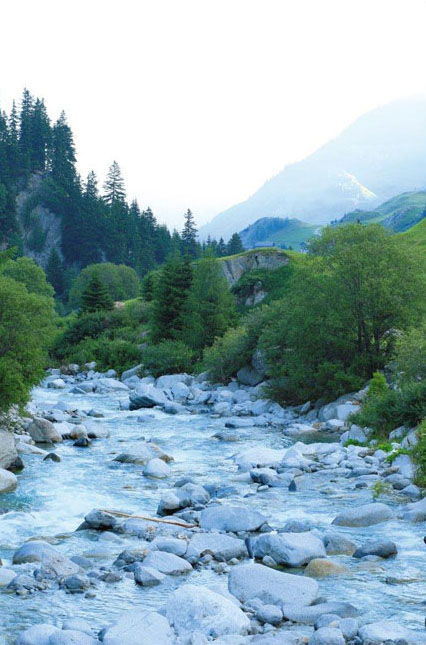
If you expose for the sky, the ground becomes too dark. If you expose for the ground, the sky becomes overexposed and loses detail.
This is one of the most common exposure challenges faced by landscape photographers.
To balance this brightness difference naturally, photographers use a Graduated ND (GND) filter.
This is especially common when photographing sunrise, sunset, mountains, or wide outdoor scenery. In these situations, the sky is usually very bright while the land and foreground appear much darker.
If you expose for the sky, the ground becomes too dark. If you expose for the ground, the sky becomes overexposed and loses detail.
This is one of the most common exposure challenges faced by landscape photographers.
To balance this brightness difference naturally, photographers use a Graduated ND (GND) filter.
What Is a Graduated ND Filter?
A Graduated ND filter (Graduated Neutral Density Filter) is a
special type of neutral density filter that reduces light only in part of the filter.
The upper portion of the filter is darkened while the lower portion remains clear, with a smooth transition between them.
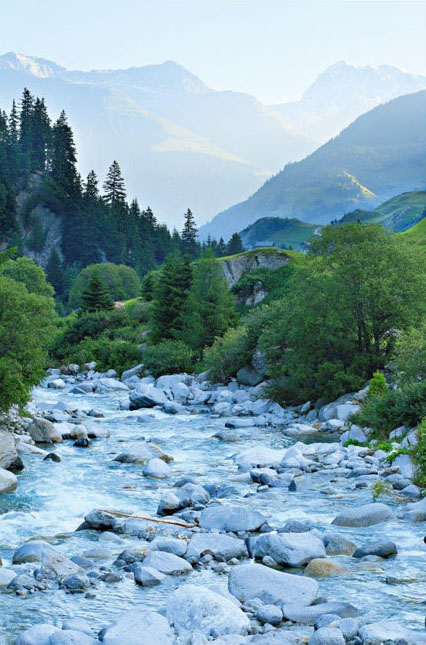
This gradient design allows the bright sky to be darkened while keeping the foreground properly exposed.
By balancing the exposure between the sky and the ground, a graduated ND filter helps create landscape images that look more natural and closer to what the human eye sees.
special type of neutral density filter that reduces light only in part of the filter.
The upper portion of the filter is darkened while the lower portion remains clear, with a smooth transition between them.
This gradient design allows the bright sky to be darkened while keeping the foreground properly exposed.
By balancing the exposure between the sky and the ground, a graduated ND filter helps create landscape images that look more natural and closer to what the human eye sees.
Types of B+W Graduated ND Filters (25% / 50%)
B+W Graduated ND filters are available in two strengths: 25% and 50%.
Each filter is designed for different lighting conditions depending on the brightness difference in the scene.
Each filter is designed for different lighting conditions depending on the brightness difference in the scene.
| Type | Characteristics | Recommended Shooting Scenes |
|---|---|---|
| GND 25% | Provides gentle light reduction for natural exposure balance |
• Mountain landscapes • Slightly cloudy skies • Soft sunset lighting |
| GND 50% | Stronger light reduction for scenes with greater contrast |
• Sunrise and sunset • Coastal landscapes • Wide scenes with strong backlighting |
If you are unsure which one to choose, the 25% filter is a great starting point.
It provides natural exposure correction and works well in many landscape photography situations.
For scenes with strong contrast—such as dramatic sunrises or bright coastal skies—the 50% filter provides stronger control.
It provides natural exposure correction and works well in many landscape photography situations.
For scenes with strong contrast—such as dramatic sunrises or bright coastal skies—the 50% filter provides stronger control.
Common Exposure Challenges in Landscape Photography
Landscape photographers often encounter the following issues:
Using a Graduated ND filter allows photographers to balance the light directly in-camera,
making it possible to capture a natural exposure in a single shot.
- Overexposed or blown-out skies
- Dark or underexposed foregrounds
- Loss of cloud detail
- The need for HDR image processing
Using a Graduated ND filter allows photographers to balance the light directly in-camera,
making it possible to capture a natural exposure in a single shot.
Why Photographers Choose B+W Filters
German Precision Optical Quality
B+W filters are manufactured in Germany by Schneider Kreuznach, a company known worldwide for precision optical engineering.
High-quality optical glass ensures minimal color cast and excellent image clarity.
Smooth and Natural Gradient Design
For graduated filters, the transition between the dark and clear areas is critical.
B+W filters feature a carefully engineered gradient that creates a smooth transition, helping maintain a natural look in landscape images.
High Light Transmission with MRC Coating
B+W filters are manufactured in Germany by Schneider Kreuznach, a company known worldwide for precision optical engineering.
High-quality optical glass ensures minimal color cast and excellent image clarity.
Smooth and Natural Gradient Design
For graduated filters, the transition between the dark and clear areas is critical.
B+W filters feature a carefully engineered gradient that creates a smooth transition, helping maintain a natural look in landscape images.
High Light Transmission with MRC Coating
- Reduced reflections
- High light transmission
- Resistance to dirt and water
Ideal Situations for Using a Graduated ND Filter
■ Sunrise and Sunset Photography
Controls the brightness of the sky and preserves dramatic color in the clouds.
■ Mountain Landscapes
Captures both cloud detail and mountain textures in a single exposure.
■ Coastal and Lake Photography
Balances the brightness between the sky and water surfaces for more natural images.
■ Wide Landscape Scenes
When large portions of sky are included in the composition, a graduated ND filter becomes especially effective.
Controls the brightness of the sky and preserves dramatic color in the clouds.
■ Mountain Landscapes
Captures both cloud detail and mountain textures in a single exposure.
■ Coastal and Lake Photography
Balances the brightness between the sky and water surfaces for more natural images.
■ Wide Landscape Scenes
When large portions of sky are included in the composition, a graduated ND filter becomes especially effective.
Conclusion: An Essential Filter for Landscape Photography
A Graduated ND filter is one of the most useful tools for improving landscape photography.
By controlling brightness differences during capture, photographers can create natural-looking images without relying heavily on HDR processing.
With the optical quality and reliability of B+W filters,
you can enhance your landscape images without compromising the performance of your lens.
For photographers who want to capture landscapes at their best,
a Graduated ND filter is an essential addition to the camera bag.
By controlling brightness differences during capture, photographers can create natural-looking images without relying heavily on HDR processing.
With the optical quality and reliability of B+W filters,
you can enhance your landscape images without compromising the performance of your lens.
For photographers who want to capture landscapes at their best,
a Graduated ND filter is an essential addition to the camera bag.
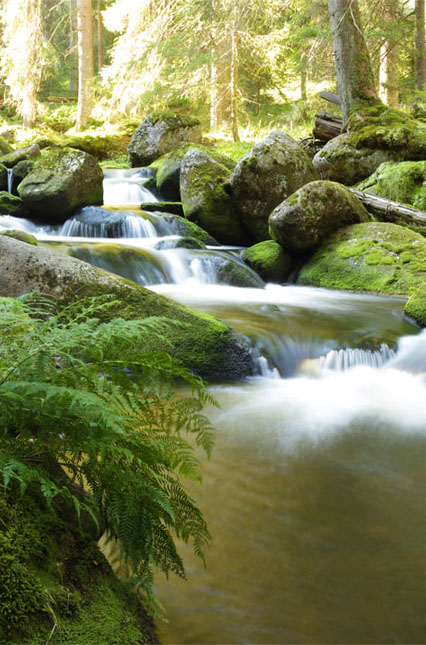
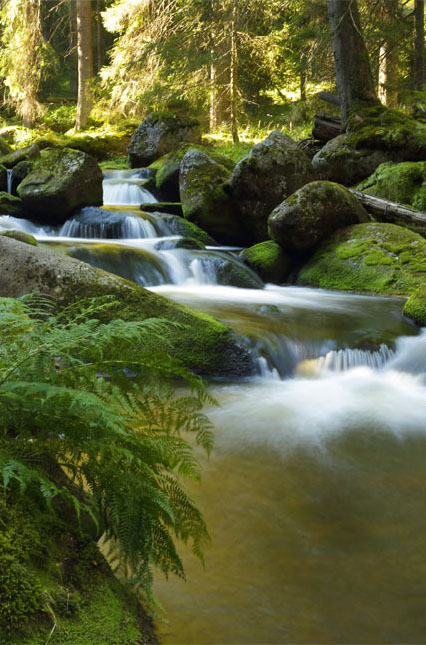
FILTER Effect
|
|
| Without Filter | With Filter |
|
|
| Without Filter | With Filter |
Reviewed Products