Monochrome Filter Buying Guide
Shape Contrast. Define Your Vision. B+W Monochrome Filters
In black-and-white photography, color is translated directly into tonal values.
The way those tones are rendered—light, dark, and everything in between—defines the final image.
Monochrome filters give you precise control over this tonal separation.
By selectively transmitting certain wavelengths of light, they allow you to shape contrast, emphasize textures, and guide the viewer’s eye.
B+W monochrome filters are engineered in Germany using high-precision optical glass, delivering exceptional clarity and consistent results across both film and digital workflows.
This guide explains how to choose between the three essential options: Yellow, Orange, and Red.
The way those tones are rendered—light, dark, and everything in between—defines the final image.
Monochrome filters give you precise control over this tonal separation.
By selectively transmitting certain wavelengths of light, they allow you to shape contrast, emphasize textures, and guide the viewer’s eye.
B+W monochrome filters are engineered in Germany using high-precision optical glass, delivering exceptional clarity and consistent results across both film and digital workflows.
This guide explains how to choose between the three essential options: Yellow, Orange, and Red.
Why Use a Monochrome Filter?
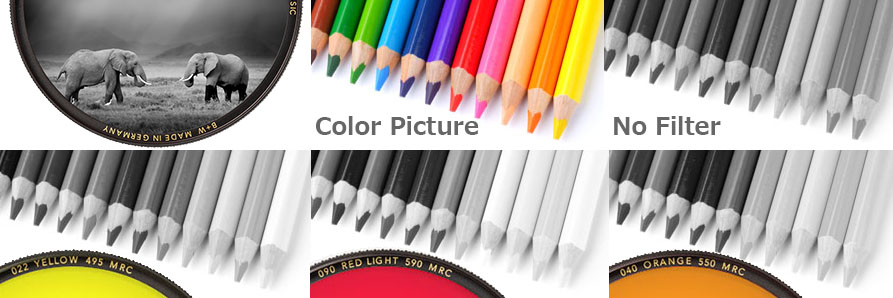
In monochrome imaging, all colors are converted into shades of gray.
Without filtration, different colors with similar brightness can appear flat and lack separation.
A monochrome filter enhances contrast by allowing specific colors to pass while suppressing others.
This results in greater tonal depth and more defined subject separation.
For example, in landscape photography, filters can darken blue skies and dramatically enhance cloud detail.
In portrait work, they can smooth skin tones while preserving natural contrast and depth.
Without filtration, different colors with similar brightness can appear flat and lack separation.
A monochrome filter enhances contrast by allowing specific colors to pass while suppressing others.
This results in greater tonal depth and more defined subject separation.
For example, in landscape photography, filters can darken blue skies and dramatically enhance cloud detail.
In portrait work, they can smooth skin tones while preserving natural contrast and depth.
Compare the Three Filter Types
Yellow Filter
A subtle and versatile option that gently reduces blue tones.
Ideal for achieving a natural, balanced monochrome look.
Ideal for achieving a natural, balanced monochrome look.
Contrast: Low to Moderate
Look: Clean, natural tonal rendering
Best For: Landscapes, street, portraits, everyday shooting
Look: Clean, natural tonal rendering
Best For: Landscapes, street, portraits, everyday shooting
Orange Filter
Provides stronger separation by significantly reducing blue light.
Produces deeper skies and more defined cloud structure.
Produces deeper skies and more defined cloud structure.
Contrast: Moderate to Strong
Look: Bold, dynamic tonal contrast
Best For: Landscapes, architecture, urban scenes
Look: Bold, dynamic tonal contrast
Best For: Landscapes, architecture, urban scenes
Red Filter
Dramatically blocks blue light, rendering skies very dark and increasing overall contrast.
A powerful tool for expressive, high-impact imagery.
A powerful tool for expressive, high-impact imagery.
Contrast: Very Strong
Look: Dramatic, high-impact, fine-art style
Best For: Landscapes, fine art, advanced creative work
Look: Dramatic, high-impact, fine-art style
Best For: Landscapes, fine art, advanced creative work
How to Choose
Choose based on the level of contrast and visual impact you want to achieve.
• Natural, subtle rendering → Yellow
• Stronger tonal separation → Orange
• Maximum contrast and drama → Red
If you're unsure, start with a Yellow filter.
It provides the most flexible and forgiving results, making it an excellent baseline for monochrome photography.
As your style evolves, adding Orange or Red filters will expand your creative control.
• Natural, subtle rendering → Yellow
• Stronger tonal separation → Orange
• Maximum contrast and drama → Red
If you're unsure, start with a Yellow filter.
It provides the most flexible and forgiving results, making it an excellent baseline for monochrome photography.
As your style evolves, adding Orange or Red filters will expand your creative control.
Why Choose B+W Filters
B+W filters are manufactured in Germany using premium optical glass and precision engineering.
They are trusted by professionals worldwide for their consistency and durability.
• Exceptional optical clarity and light transmission
• Accurate color separation for precise tonal control
• Durable brass mounts for long-term reliability
Whether you're shooting film or digital, B+W filters deliver consistent, high-end results.
They are trusted by professionals worldwide for their consistency and durability.
• Exceptional optical clarity and light transmission
• Accurate color separation for precise tonal control
• Durable brass mounts for long-term reliability
Whether you're shooting film or digital, B+W filters deliver consistent, high-end results.
Summary
Monochrome filters are not just accessories—they are essential creative tools.
By understanding how Yellow, Orange, and Red filters affect tonal rendering, you can take full control of contrast and mood in your images.
With B+W filters, you can push your black-and-white photography further—achieving depth, clarity, and expression that stand out.
By understanding how Yellow, Orange, and Red filters affect tonal rendering, you can take full control of contrast and mood in your images.
With B+W filters, you can push your black-and-white photography further—achieving depth, clarity, and expression that stand out.
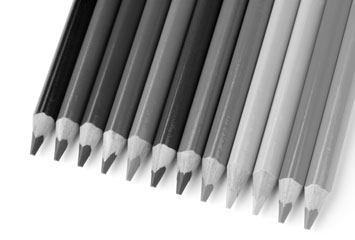
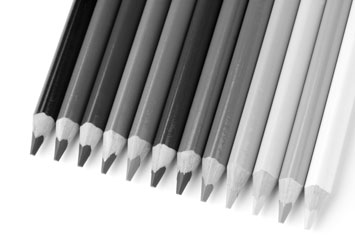
FILTER Effects
|
|
|
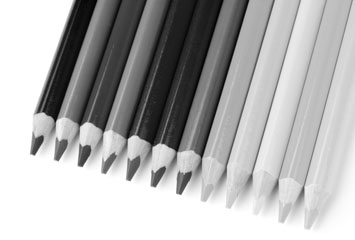
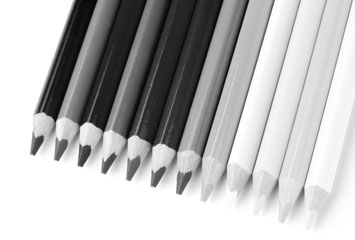
| No Filter | 022 Filter | 040 Filter |
|
|

|
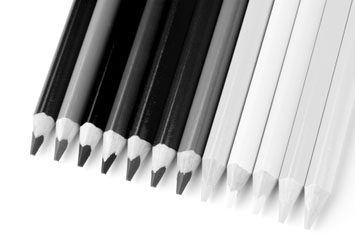
| 090 Filter | 091 Filter | Color Image |